Coaching - SMALL c. LARGE C.
 Andreas Dorn
I am rereading one of the many books Robert Dilts wrote. Robert Dilts helped shape NLP.
And in the book, he separates two kinds of coaching. A distinction I keep coming back to.
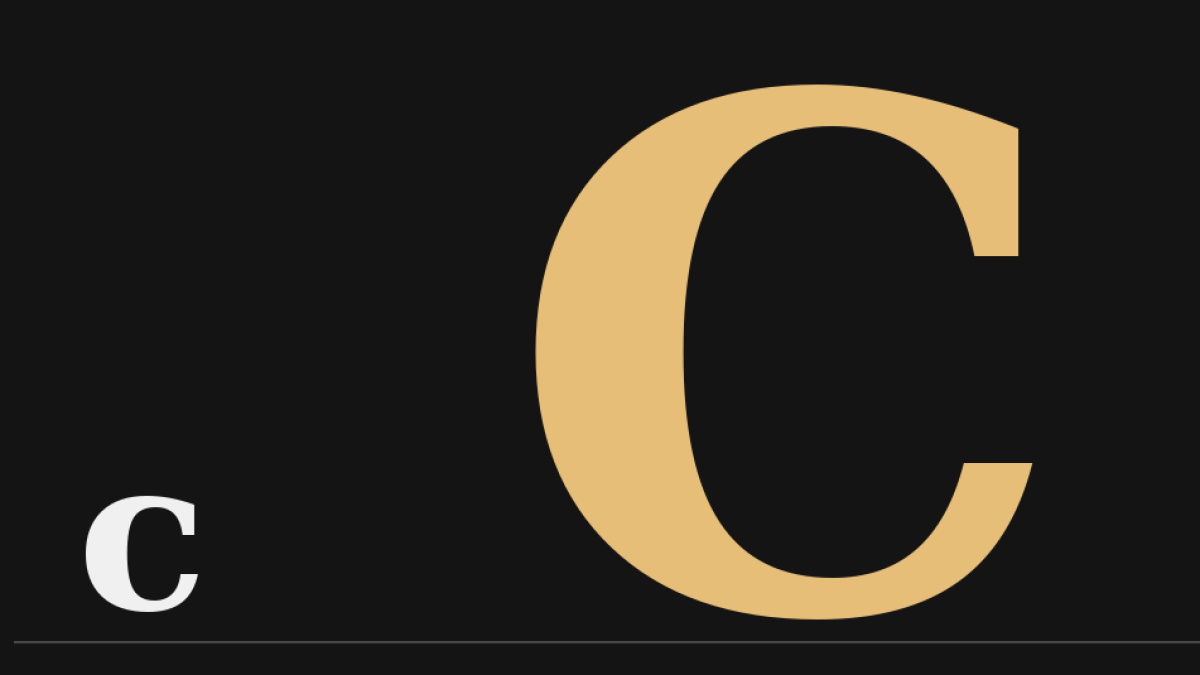
Small c coaching and large C Coaching.
Small c works on behaviour. Run the meeting better. Present with more confidence. It comes from sports: observe, give feedback, practise, improve.
It is precise and it works. Most coaching that genuinely helps people starts here.
Large C includes all of that. Then keeps going. and moving beyond it.
Into:
👉 The capabilities someone has developed
👉 Their beliefs and values.
👉 Who they think they are, and what it's all for - their identity and purpose.
I think of a client who came to me unable to make decisions under pressure.
Intelligent, experienced, and paralysed by overthinking whenever the stakes went up.
We didn't work on his decision-making style. We looked at what happened in his body when a big decision arrived.
Then the belief running underneath it: "getting this wrong will be visible and unforgivable." Then what he was protecting- his reputation -, ranked above the outcome itself.
And finally the sentence holding the whole thing together. "I am the person who has to get this right."
Better decision frameworks would never have reached that.
When the identity shifted, the paralysis went with it.
That's the difference.
Not between good coaches and lesser ones.
Between the level a problem shows up at, and the level that is actually shaping it.
The skill is knowing which one you're looking at. And having the range to go there when you need to.
I'm still building mine. Twenty years in. Never stop learning!
Categories: : coaching